Rethinking BIM-to-DWG Automation for Complex AEC Projects with Niknaz Aftahi
- 18/05/2026
- Posted by: Graebert
- Category: General NewsPress Articles
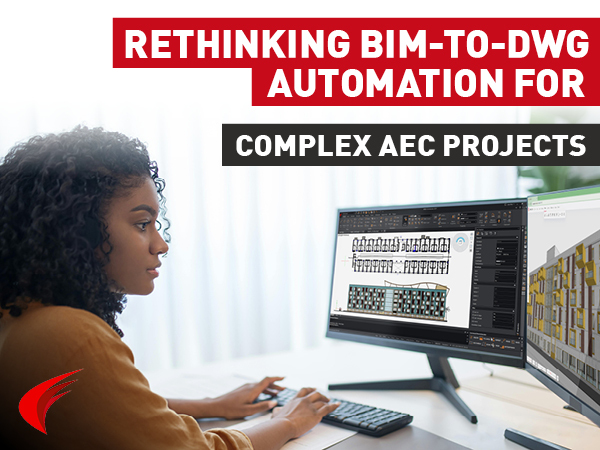
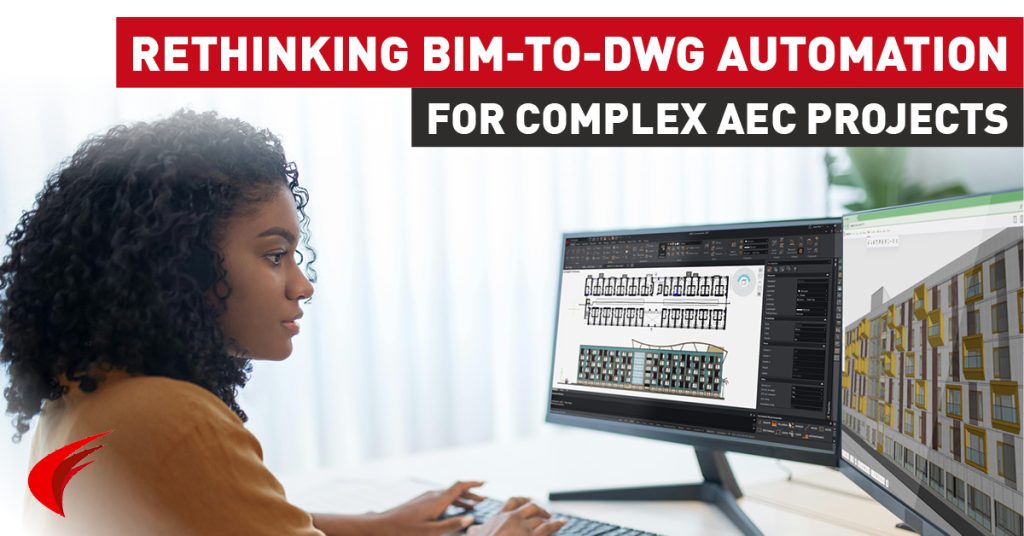
Building Information Modeling (BIM) has revolutionized the Architecture, Engineering, and Construction (AEC) industry, enabling smarter design processes and more data-rich project models. However, despite these advancements, one critical challenge remains: documentation. According to BIM expert Niknaz Aftahi, the industry still spends a significant amount of time manually creating construction drawings and project deliverables.
“BIM is smarter than ever. So why are we still doing so much manually?” asks Aftahi. While BIM models contain extensive project intelligence, AEC professionals often dedicate 30% to 40% of a project’s total time to producing and coordinating drawings. This ongoing reliance on manual documentation creates inefficiencies that slow project delivery and increase the potential for errors.
The BIM Documentation Challenge
For many AEC firms, BIM has transformed design workflows but has not fully automated documentation workflows. Skilled BIM managers and technical specialists continue to spend valuable hours performing repetitive tasks such as labeling, dimensioning, annotation, sheet generation, and drawing formatting.
As Aftahi explains, “BIM has transformed how we design. It hasn’t yet transformed how we document.”
This disconnect between intelligent BIM models and manual drawing production creates a significant bottleneck in project execution. Documentation remains one of the most labor-intensive stages of the design process, limiting productivity and reducing the overall return on BIM investments.
How ARES Trinity 2027 Automates BIM-to-DWG Documentation
Graebert’s ARES Trinity 2027 addresses this challenge through advanced BIM-to-DWG automation. By leveraging the rich data already embedded within BIM models, ARES Trinity automatically generates coordinated DWG drawings, annotations, dimensions, and documentation sets with minimal manual intervention.
The platform creates a seamless workflow between BIM design, DWG documentation, and cloud-based collaboration, helping AEC teams:
- Automate BIM-to-DWG drawing generation
- Reduce repetitive drafting and annotation tasks
- Improve documentation accuracy and consistency
- Accelerate project delivery timelines
- Enhance collaboration across multidisciplinary teams
- Minimize human error in construction documentation
By connecting BIM intelligence directly to deliverable production, ARES Trinity enables firms to streamline documentation workflows while maintaining high-quality project standards.
Unlocking BIM’s Full Potential
The value of automation extends far beyond increased speed. For AEC professionals, the real benefit lies in reclaiming time for higher-value activities such as design innovation, project coordination, and client engagement.
“The most valuable thing automation gives you isn’t just speed. It’s your time back,” says Aftahi.
With ARES Trinity 2027, organizations can move beyond traditional documentation processes and fully leverage the power of BIM throughout the entire project lifecycle. By automating BIM-to-DWG workflows, AEC teams can improve efficiency, reduce costs, and deliver accurate construction documentation at scale.
As BIM adoption continues to grow across the industry, solutions like ARES Trinity are helping bridge the gap between intelligent design models and efficient project delivery—bringing the future of automated AEC documentation closer than ever.